16th November marks the start of Asbestos Awareness Week 2026
Asbestos Remains New Zealand’s Deadliest Workplace Killer
Around 220 New Zealanders die each year from asbestos-related disease, making it the leading cause of work-related death.
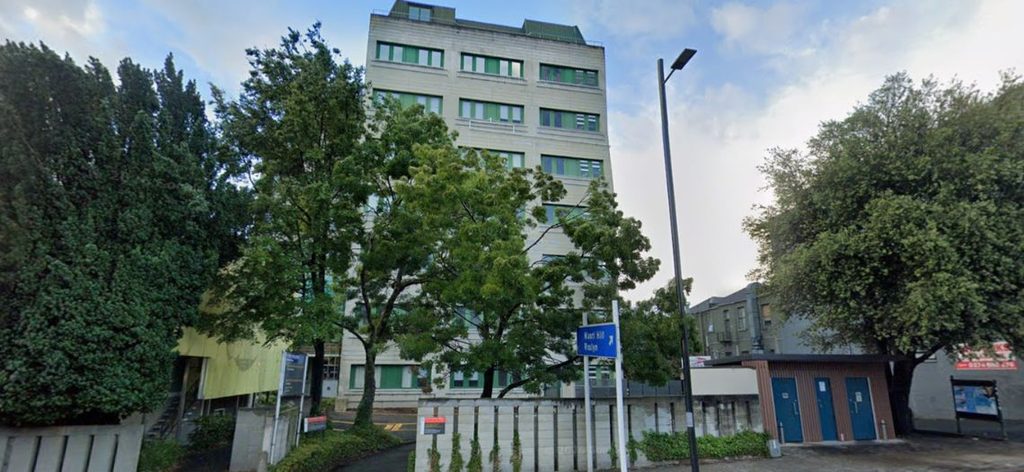
Despite a 2016 prohibition on the importation of asbestos-containing materials, asbestos remains widespread in New Zealand’s buildings, infrastructure and workplaces. Buildings built before 2000 have a high likelihood of containing asbestos. And as recently as 2025, asbestos was found in children’s play sand.
Most workers who develop asbestos-related diseases were exposed years or decades before becoming ill. There is no safe level of exposure to asbestos fibres. Even inhaling small amounts over a short period can lead to mesothelioma decades later. This makes prevention and safe removal of asbestos from the built environment a priority.
Unidentified or damaged asbestos material can create a serious health risk for workers and other people in the workplace.
Workers may encounter asbestos during maintenance, refurbishment, demolition, construction, cleaning, facilities management, and other work involving older buildings and infrastructure. Find where other common forms of asbestos can be found here
If you suspect a material contains asbestos, stop work and have it tested before disturbing it. Until you know, assume asbestos.
What the law says
New Zealand law places clear duties on PCBUs (generally this is your employer) to protect workers from exposure to asbestos.
Under the Health and Safety at Work Act 2015 and the Health and Safety at Work (Asbestos) Regulations 2016, PCBUs must identify asbestos risks, assess those risks, and put controls in place to prevent or minimise exposure. Asbestos management is a legal requirement.
If asbestos is present, or is likely to be present, PCBUs are generally required to:
- Identify asbestos-containing materials.
- Assess the risk of exposure.
- Maintain an asbestos register.
- Develop and maintain an asbestos management plan.
- Inform workers, contractors and others who may be affected.
- Review and update asbestos information when circumstances change.
- Ensure asbestos risks are managed before maintenance, refurbishment or demolition work begins.
PCBUs must engage with workers and their unions and give them reasonable opportunities to participate in health and safety matters, including the management of asbestos risks. The law recognises that workers have an important role in preventing exposure.
For detailed information about legal duties and asbestos management see WorkSafe New Zealand: Managing asbestos in your building or workplace
What workers should expect
Where asbestos has been identified in your workplace, you should expect:
- Access to an asbestos register. This is a factual record of where asbestos is and the condition it is in
- An asbestos management plan. This outlines how the risks of asbestos are being monitored and managed
- The asbestos management plan to be reviewed regularly and updated if the condition of asbestos changes or new information becomes available
- Engagement on all matters affecting health and safety, including before asbestos removal, maintenance, refurbishment, and/ or demolition
- Clear communication about asbestos risks, planned work, and any incidents involving asbestos
- Health and safety concerns to be taken seriously
Know your rights
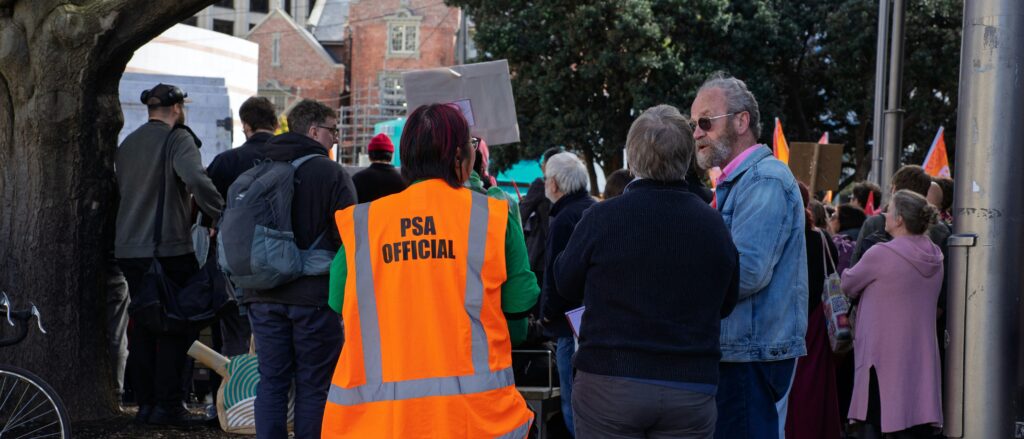
Under New Zealand health and safety law, workers have the right to know about workplace hazards, participate in health and safety decisions, raise concerns, and be represented through their union and Health and Safety Representatives (HSRs).
If you suspect a material contains asbestos, best practice remains to stop work and have it tested before disturbing it. Until you know, assume asbestos.
You have the right to:
Know About Workplace Hazards
If asbestos is present in your workplace, there should be systems for identifying and managing the risk. You should not have to guess whether asbestos is present.
Be Consulted
PCBUs must engage with workers on all matters that affect their health and safety.
If asbestos is being assessed, removed, monitored or managed, workers should be involved in the conversation.
Raise Concerns Without Fear
Workers have the right to raise health and safety concerns and ask questions about asbestos risks. It is unlawful to discriminate or take other negative steps against workers because they raise health and safety concerns.
Be Represented
Health and Safety Representatives and union delegates play an important role in helping workers identify risks, raise concerns and participate in solutions.
Stop Unsafe Work
If a worker genuinely believe that they (or anyone else) are facing a serious risk to health and safety from an immediate or imminent hazard, they have a legal right to stop work. More information on this right can be found here.
Asbestos is not a Problem of the Past
Most workers who develop asbestos-related disease were exposed years or decades before they became ill.
That is why prevention matters.
Workers have a right to know where asbestos is present, how it is being managed, and what protections are in place. Strong worker participation, active Health and Safety Representatives, and informed unions remain some of the most effective tools for preventing future exposure.
No worker should be made sick because they were kept in the dark about asbestos risks.
If in doubt, ask questions. Speaking up about health and safety could protect you, your workmates, and future workers.